
Start with what is in the load
Make a list by material and count, such as two chairs, a box of recyclables, or a broken appliance. Check Sullivan County’s published facility rules and ask about fees and acceptance for anything unusual before loading. The county lists different information for residential and commercial users, so use the category that fits your trip.
Include the time and help you need
For a drop-off, account for a suitable vehicle, loading, travel, unloading, and any fees. For a pickup, ask whether carrying, loading, hauling, and disposal are included in the estimate. A curbside chair has a different scope from a heavy item in a basement with turns and steps.
Separate items that need a different plan
Set aside paint, chemicals, batteries, and other items you are unsure about. Confirm what the facility or hauler can accept. Decide whether usable furniture or tools should go to someone else and whether anyone can collect them before pickup day.
Send the photos a hauler needs
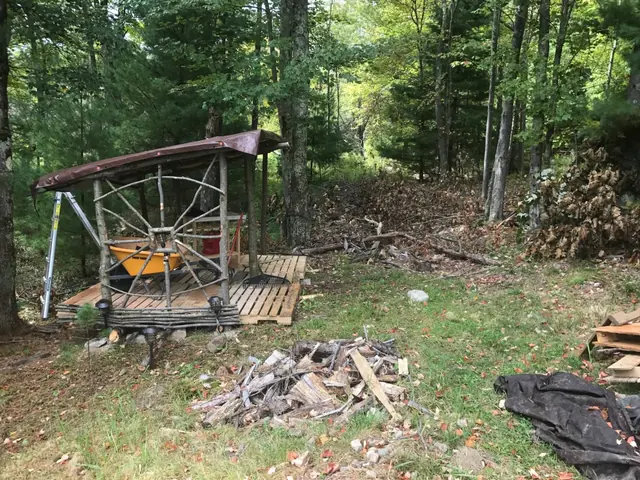
Take a wide photo of everything, a close-up of anything heavy, and a photo of the carry route. Include the town, stairs, parking, and the day you need the space cleared. That information makes competing quotes easier to compare.
Compare the whole trip with the pickup quote
Check current county acceptance, fees and hours for your exact items. Add up the trips, vehicle room and help you need loading. A small presorted load may suit a station trip. Items on another floor or requiring special handling change the comparison.