
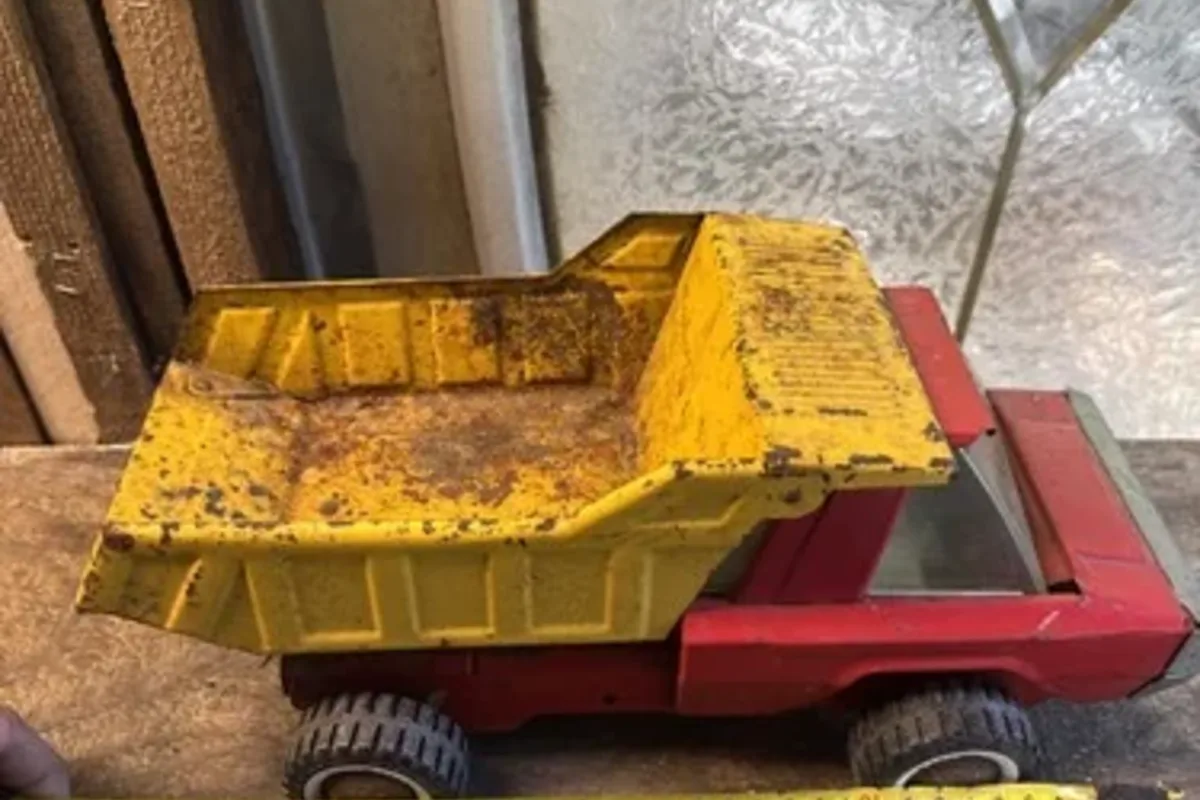
Start by identifying the piece. Take a photo of the whole item and one of each stamp, signature, date, model label or maker mark. Include a ruler in one photo, and show any chips, repairs or missing pieces. Save original boxes and paperwork so they can be matched to the right items.
Look for recent sales of the same version in similar condition. An asking price is what someone hopes to get. A sold price shows what a buyer paid. A complete set, original packaging or a working part can affect the comparison, so check what was actually included.
Group similar lower-priced pieces when they make sense as a lot. For anything unusual, document what you have and pause before cleaning it, repairing it or giving it away. If you’re preparing for a cleanout near Wurtsboro, we can help review the group and discuss which items are worth more research.
Use a match that a buyer would recognize
For a vintage tool, compare the manufacturer, casting number, size and completeness, including the original fence or blade if it came with one. For a signed item, look for documented provenance and comparable sold examples. A rare mark without a reliable match is a reason to keep researching before assigning a value.